The Department of Foreign Affairs (DFA) of the Philippines has confirmed that Philippine-flagged vessels, energy shipments, and Filipino seafarers will have safe and unhindered passage through the Strait of Hormuz. This assurance comes amid heightened tensions in the Middle East that have created disruptions in global oil supply, influencing a spike in oil prices worldwide. The announcement was made on April 3, 2026, following a productive conversation between Foreign Affairs Secretary Ma. Theresa P. Lazaro and Iranian Foreign Minister Seyed Abbas Aragchi.
Assurance Amid Middle East Tensions
The urgent discussions between the two foreign ministers revolved around ensuring the safety of Philippine vessels navigating the Strait, a vital maritime passage for global energy shipments. The DFA characterized the conversation as “productive,” highlighting strengthened bilateral relations and cooperation between the Philippines and Iran. Iran’s commitment to allowing “safe, unhindered, and expeditious passage” highlights the strategic importance of maintaining cordial interactions amid ongoing geopolitical conflicts.
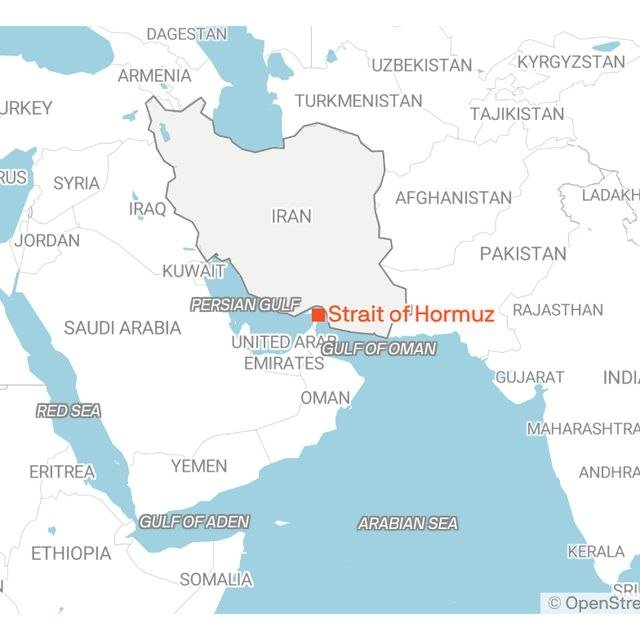
Data indicates that approximately 20% of the world’s oil and liquefied natural gas shipments transit through the Strait of Hormuz, making it an essential route for energy security globally, including for the Philippines, which relies heavily on imported fuel. Given the rising global oil prices and the ramifications of the conflict in the region, the Philippines had previously voiced its concerns and requested designation as a “non-hostile country.” This step was crucial in securing safe transit across the strait during these volatile times.
Background on the Strait of Hormuz
The Strait of Hormuz has been a focal point of tension, especially following Iran’s enforcement of a blockade beginning in March 2026. Reports from European Union naval officials noted an increase in naval activities in the region, prompting concerns about the safe passage of commercial vessels. Iran later communicated to the member states of the International Maritime Organization (IMO) that “non-hostile vessels” could pass through, conditional on prior coordination with Iranian authorities.
However, any vessels linked to the United States, Israel, or other countries involved in the ongoing conflict would not qualify for this designation, further complicating the geopolitical landscape in a region fraught with conflict. The assurance to the Philippines is a pivotal move, aimed not only at protecting the safety of seafarers but also securing the country’s energy supplies against the backdrop of fluctuating global markets.
Importance of Filipino Seafarers
Approximately 30% of the world’s seafarers come from the Philippines, making them integral to global shipping operations. With many Filipinos employed on vessels traversing the Strait of Hormuz, their safety is paramount. The assurance from Iran to allow safe passage is crucial for the well-being of these workers and the stability of remittances that bolster the Philippine economy.
In a statement from Palace Press Officer Undersecretary Claire Castro, the government emphasized the necessity of ensuring the safety of Filipino seafarers as part of broader efforts to maintain stable energy supplies in the Philippines. The Philippine government’s proactive approach aims to mitigate risks associated with shipment disruptions, which could significantly impact the country’s economy.
International Cooperation and Diplomatic Engagements
During the discussions, Energy Secretary Sharon Garin and Iranian Ambassador to the Philippines Yousef Esmaeilzadeh participated, indicating a collaborative effort on both sides to expedite requests and fortify bilateral relations. The high-level participation underscores the seriousness with which both nations regard the safety of maritime navigation through the Strait.
The DFA has underscored the development’s importance, framing it as a significant diplomatic success that reflects ongoing efforts to engage constructively with nations in the region. The dialogue is perceived as a step towards enhanced cooperation and understanding amidst regional instability.
Energy Security in the Philippines
The Philippines has experienced an increase in energy-related concerns due to geopolitical tensions affecting oil prices. In response, the government declared a state of national energy emergency as part of its strategy to protect the energy needs of its citizens. With the safe passage of vessels now assured, there is hope that this will stabilize supplies and potentially moderate rising prices.
This assurance also plays a role in the broader context of energy security in the Philippines, which primarily relies on oil imports for its energy needs. The ongoing conflict in the Middle East has demonstrated how quickly supply lines can be affected, making it imperative for the country to establish solid diplomatic relations and secure safe transit routes for energy carriers.
Future Considerations
Looking ahead, the focus will likely remain on ensuring that safe passage agreements are enforced effectively. Continuous monitoring and updates on regional tensions will be crucial for safeguarding Filipino workers and maintaining energy stability. The Philippine government will need to remain vigilant and proactive in its diplomatic engagements to adapt to any changes in the regional dynamics that could affect maritime safety.
The developments in the Strait of Hormuz encapsulate the interplay between global geopolitics and national interests, highlighting the significance of diplomacy in safeguarding the economic and human resources of the Philippines.
Photo credit: Photo courtesy of DFA.gov